
Scientific research is one of the core tasks of Phong Nha – Ke Bang National Park, contributing to clarifying the outstanding global value of this world natural heritage site. With its tropical forest ecosystem, complex karst topography, and vast cave network, the Phong Nha – Ke Bang area has long been an ideal "natural laboratory" for scientists both domestically and internationally. The goal of research is not only to gain a deeper understanding of the geological, biological, and environmental values, but also to effectively serve conservation efforts, sustainable tourism development, and community education.
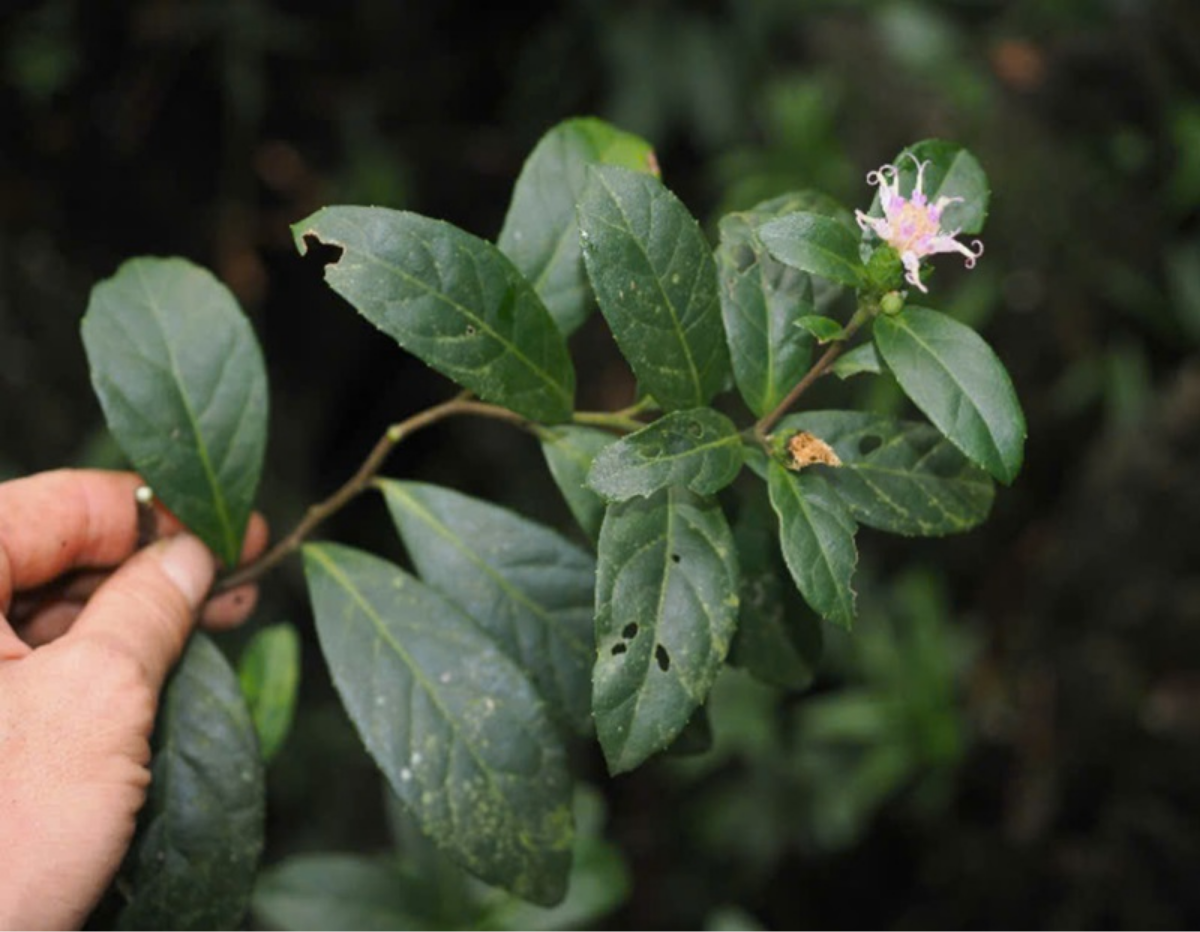
Since being recognized as a UNESCO World Heritage Site, numerous large-scale scientific research programs have been implemented in Phong Nha – Ke Bang. These projects focus on geological and geomorphological surveys, cave exploration, flora and fauna research, biodiversity assessment, and the discovery of new species for science.
International organizations and research institutes such as the British Cave Association (BCRA), the World Wildlife Fund (WWF), and the Vietnam Academy of Science and Technology have collaborated with the National Park Management Board on many regional-level projects. In particular, discoveries of new species such as cave fish, tree frogs, bats, moths, and many rare orchid species have contributed to affirming the biological importance of Phong Nha – Ke Bang on the world scientific map.
Research areas in Phong Nha – Ke Bang are diverse, encompassing geology and geomorphology, biodiversity, forest ecology, environment, and climate. Geological studies focus on the formation of the ancient karst system, helping to decipher the geological history of Southeast Asia.
Research on biology and biodiversity is also crucial, as the area is home to thousands of species, including many endemic and globally endangered species. Furthermore, research on climate change, natural forest restoration, water resource management, and the impact of tourism on the environment is being promoted to support the sustainable development of the heritage site.

Despite significant achievements, several areas in Phong Nha – Ke Bang still hold great potential but have not been comprehensively studied. These include in-depth research on cave microorganisms, the adaptation of underground ecosystems, and the relationship between tourism and the ecological balance of the region. Furthermore, the humanities and social sciences, such as research on indigenous culture and traditional knowledge in forest and natural resource management, also need more attention in the future.
Expanding interdisciplinary research, combining natural and social sciences, promises to provide a more comprehensive understanding of the value of this heritage – not only in its natural aspects but also in its cultural and historical depth.
Despite significant achievements, several areas in Phong Nha – Ke Bang still hold great potential but have not been comprehensively studied. These include in-depth research on cave microorganisms, the adaptation of underground ecosystems, and the relationship between tourism and the ecological balance of the region. Furthermore, the humanities and social sciences, such as research on indigenous culture and traditional knowledge in forest and natural resource management, also need more attention in the future.
Expanding interdisciplinary research, combining natural and social sciences, promises to provide a more comprehensive understanding of the value of this heritage – not only in its natural aspects but also in its cultural and historical depth.
Phong Nha – Ke Bang possesses all the elements to become a leading center for natural science research in Southeast Asia. Its cave system, stretching hundreds of kilometers, unique geological structures, vast primeval forests, and rare biological resources offer endless opportunities for long-term research projects.
In the future, the National Park Management Board aims to build an international research cooperation network, invest in a scientific data storage center, and promote the application of technology in resource monitoring. The combination of research, conservation, and socio-economic development will be a solid foundation for Phong Nha – Ke Bang to be both a source of pride for Vietnam and an inspiration for generations of scientists and nature lovers worldwide.
Share this article